
Social Media Marketing for Gyms
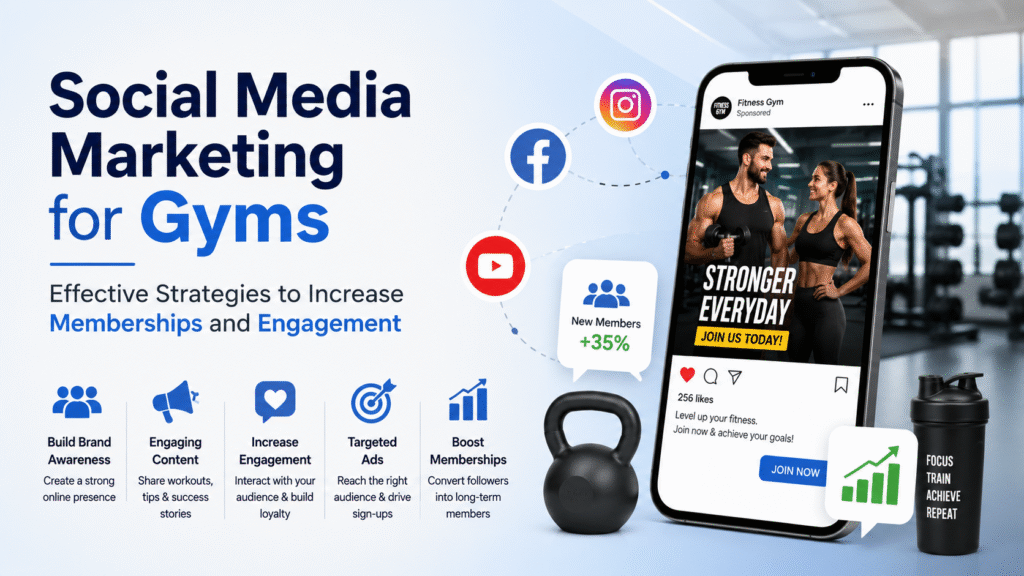
Social media has transformed how people discover, evaluate, and choose a gym. Before visiting a fitness center, most potential members check its Instagram, Facebook, or Google profile to see the facilities, trainers, reviews, and overall community. This shift in consumer behavior has made social media marketing for gyms one of the most powerful tools for attracting new members and building long-term customer relationships.
Unlike traditional advertising, social media allows gyms to connect with their audience daily. From sharing workout tips and transformation stories to promoting membership offers and fitness events, every post creates an opportunity to engage with potential customers. Whether you own a local fitness studio, a CrossFit box, a yoga center, or a premium health club, having a consistent social media strategy helps your business remain visible and competitive.
Effective social media marketing for gyms is not just about posting attractive images. It involves understanding your target audience, creating valuable content, responding to comments and messages, running targeted advertising campaigns, and measuring performance regularly. When these activities work together, they create a steady flow of leads and improve member retention.
Today’s successful gyms also combine social media with other fitness marketing strategies, such as local SEO, Google Business Profile optimization, email marketing, and content marketing. This integrated approach ensures potential customers find your business at every stage of their fitness journey.
If your goal is to increase memberships, strengthen your brand, and build a loyal fitness community, investing in the right gym digital marketing ideas can deliver measurable and sustainable growth.
Why Social Media Is Essential for Modern
The way people choose a gym has changed dramatically over the last few years. Instead of visiting multiple fitness centers, they often compare gyms online before making a decision. They browse Instagram Reels, Facebook pages, Google reviews, and member testimonials to determine whether a gym matches their expectations. This makes your social media presence an extension of your brand and often creates the first impression for potential members.
A professionally managed social media profile demonstrates that your gym is active, trustworthy, and committed to helping members achieve their fitness goals. Regularly posting workout videos, trainer introductions, nutrition tips, client transformations, and success stories allows potential customers to see the value your gym provides before they ever step through the door.
Another major benefit of social media marketing for gyms is the ability to build meaningful relationships. Unlike traditional advertising, social media creates two-way communication. Members can ask questions, leave comments, participate in polls, and interact with trainers in real time. These interactions build familiarity and trust, making people more comfortable choosing your gym over competitors.
Local targeting is another reason social media has become indispensable for gym owners. Platforms such as Facebook and Instagram allow businesses to reach users within specific cities or neighborhoods based on their interests, age, fitness goals, and online behavior. Instead of advertising to everyone, gyms can focus their budget on people who are most likely to purchase a membership.
For example, a newly opened fitness center in Ahmedabad can target users between 18 and 45 years old who are interested in weight loss, bodybuilding, CrossFit, yoga, personal training, or healthy living. This targeted approach significantly improves the quality of leads compared to traditional advertising methods.
Social media also supports every stage of the customer journey. A potential member may first discover your gym through an Instagram Reel, then visit your website, read customer reviews, watch transformation videos, and finally contact your team through direct messages or WhatsApp. Every piece of content helps move that individual closer to becoming a paying member.
Consistency plays a vital role in success. Posting high-quality content several times a week keeps your gym visible in followers’ feeds and reminds existing members to stay engaged. Over time, this consistent presence strengthens brand recognition and increases the likelihood that people will recommend your gym to friends and family.
One of the greatest advantages of social media is that results are measurable. Gym owners can track reach, engagement, website clicks, lead forms, and membership enquiries. These insights help identify which content performs best and where marketing budgets should be invested for maximum return.
The following table highlights how social media compares with traditional gym marketing methods:
Marketing Method | Traditional Advertising | |
Audience Targeting | Broad | Highly specific and location-based |
Customer Interaction | One-way communication | Real-time engagement |
Cost | Usually higher | Flexible for every budget |
Performance Tracking | Limited | Detailed analytics available |
Brand Building | Slow | Continuous and relationship-driven |
Lead Generation | Moderate | High when managed strategically |
Successful gyms understand that social media is not simply a promotional tool—it is a platform for education, motivation, and community building. Sharing valuable content consistently positions your business as a trusted fitness authority while encouraging potential members to take the next step.
To maximize results, combine your social media efforts with gym lead generation strategies, Facebook Ads for gyms, and a search engine optimized website. You can also strengthen your online presence by learning more about local SEO for fitness businesses, Google Business Profile optimization, and content marketing for gyms. Together, these digital marketing channels create a sustainable system for attracting new members and retaining existing ones.

Best Content Ideas to Increase Engagement
One of the biggest mistakes gym owners make is treating social media like a digital billboard. Posting only discounts, membership offers, or promotional graphics often leads to lower engagement because followers quickly lose interest. Instead, successful gyms create content that solves problems, answers common fitness questions, and motivates people to stay consistent with their health goals. This approach naturally increases reach while strengthening your brand reputation.
Educational content should form the foundation of your social media strategy. Short workout demonstrations, proper exercise techniques, stretching routines, injury prevention tips, and nutrition guidance position your gym as a trusted source of fitness knowledge. Videos explaining common mistakes during squats, deadlifts, or push-ups often receive high engagement because they provide immediate value to viewers.
Member transformation stories are another powerful content category. Sharing before-and-after photos, weight loss journeys, strength improvements, or personal achievements creates emotional connections with potential members. Always obtain permission before posting client results and focus on their dedication rather than making unrealistic promises. Authentic success stories inspire confidence and encourage prospects to imagine their own fitness journey at your gym.
Behind-the-scenes content also performs exceptionally well. Introduce your trainers, showcase daily gym operations, highlight new equipment, celebrate member birthdays, or share clips from group classes. This type of content humanizes your business and makes potential members feel more comfortable before visiting your facility.
Interactive posts significantly improve engagement because they encourage participation rather than passive viewing. Polls, quizzes, question stickers, “Ask a Trainer” sessions, live workouts, and fitness challenges invite followers to interact with your brand. For example, a 30-day plank challenge or step-count competition motivates members to stay active while increasing user-generated content through tagged posts and stories.
Reels have become one of the most effective formats for Instagram marketing for fitness business. Short, engaging videos often reach users who don’t already follow your page, making them excellent for brand awareness. Keep your videos informative, visually appealing, and under one minute whenever possible. Add captions because many users watch videos without sound.
Here are some proven gym social media content ideas that consistently perform well:
Content Type | Purpose | Recommended Frequency |
Workout Tutorials | Educate followers | 2–3 times per week |
Transformation Stories | Build trust | Weekly |
Trainer Tips | Demonstrate expertise | Weekly |
Nutrition Advice | Provide value | 1–2 times per week |
Member Spotlights | Build community | Weekly |
Gym Tours | Showcase facilities | Monthly |
Live Workout Sessions | Increase engagement | Twice a month |
Fitness Challenges | Encourage participation | Monthly |
Consistency is just as important as creativity. Instead of posting randomly, create a monthly content calendar that balances educational, motivational, entertaining, and promotional posts. This ensures your audience receives a variety of valuable content while maintaining regular activity across your social channels.
You can also improve engagement by responding promptly to comments and direct messages. Fast responses demonstrate professionalism and help build stronger relationships with both existing and potential members. Social media algorithms also reward active conversations, increasing the visibility of your posts.
To strengthen your overall fitness marketing strategies, combine organic content with email marketing, website blogs, and local SEO. You can also direct readers to related resources using internal links such as “Learn more about Local SEO for Gyms”, “Read our Guide to Personal Trainer Marketing”, or “Explore Gym Website Optimization Tips.”
Paid Advertising Strategies for Gym Memberships
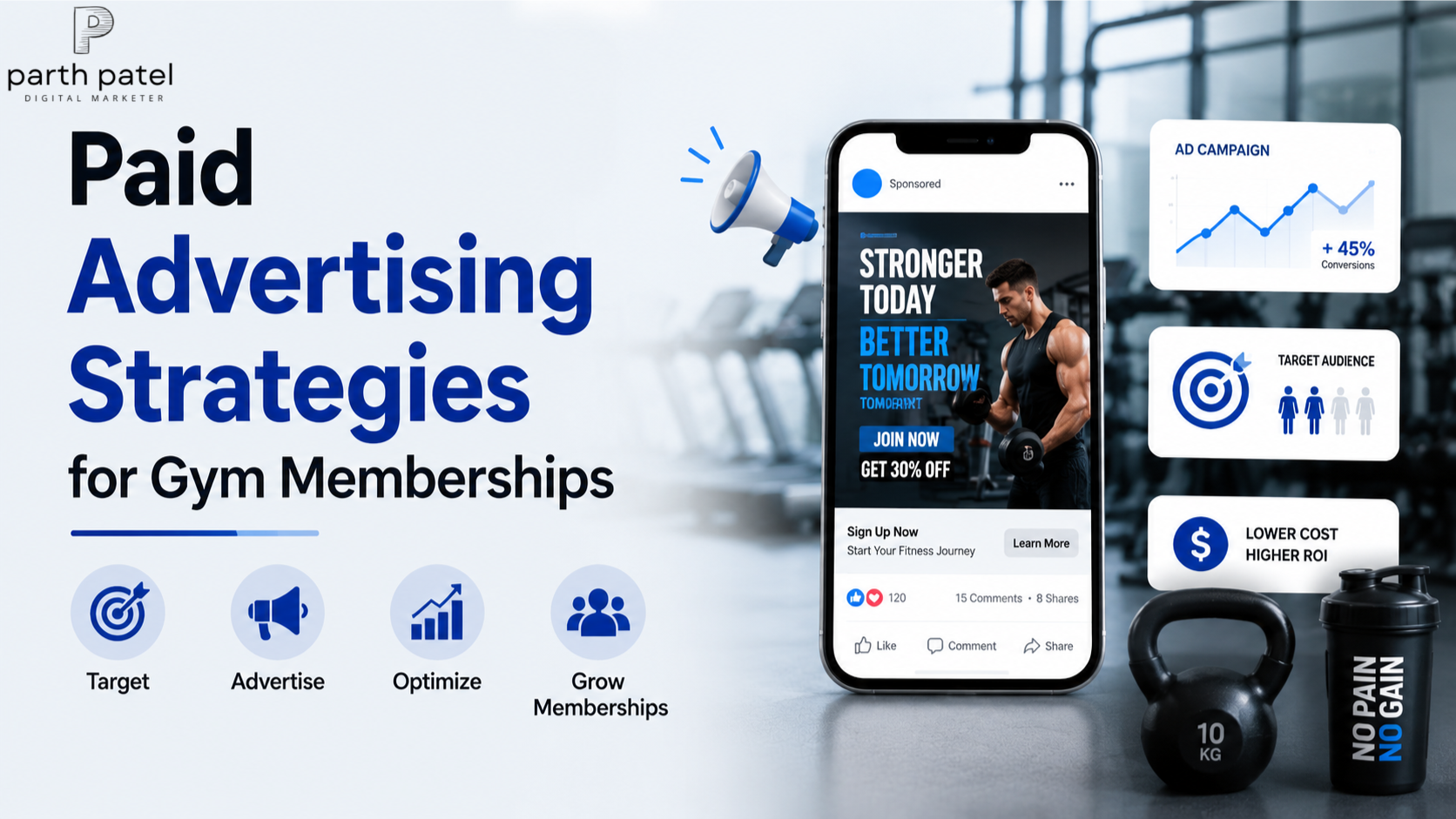
Organic content builds long-term relationships, but paid advertising accelerates growth by reaching people who may not yet know about your gym. Platforms like Facebook and Instagram provide advanced targeting options that allow gym owners to advertise specifically to users based on location, interests, age, fitness behaviour, and online activity.
One of the most effective gym lead generation strategies is targeting people within a specific radius of your gym. Most members prefer fitness centres close to their home, workplace, or college. Limiting your advertisements to nearby locations ensures your marketing budget reaches people who are genuinely likely to visit your facility.
Audience segmentation also plays an important role. Instead of showing the same advertisement to everyone, create separate campaigns for beginners, weight-loss seekers, bodybuilders, working professionals, senior citizens, or people interested in yoga and functional training. Personalised advertisements typically generate higher click-through rates and better conversion rates because they directly address each audience’s specific goals.
Your advertisement should clearly communicate the value of joining your gym. Instead of generic headlines like “Join Our Gym,” highlight a specific benefit such as:
- Transform Your Fitness with Expert Personal Trainers
- Start Your 7-Day Free Gym Trial Today
- Lose Weight with Personalised Fitness Programs
- Join Ahmedabad’s Fast-Growing Fitness Community
Strong visuals are equally important. Use real photos and videos of your trainers, members, equipment, and facilities instead of generic stock images. Authentic content creates trust and improves campaign performance.
A compelling offer encourages people to take immediate action. Popular gym offers include:
- Free trial session
- Complimentary fitness assessment
- Discounted first-month membership
- Personal training consultation
- Free nutrition guidance
- Referral rewards for existing members
Once users click your advertisement, they should land on a fast, mobile-friendly page containing clear information, membership benefits, pricing (if appropriate), testimonials, and a simple enquiry form. Every additional step reduces conversions, so keep the process as short as possible.
Retargeting is another highly effective advertising strategy. Many people visit your website or engage with your social media but don’t join immediately. Retargeting advertisements remind these users about your gym and encourage them to complete their membership enquiry. Because these audiences already know your brand, retargeting campaigns often produce higher conversion rates than cold audiences.
Regular campaign optimisation is essential. Monitor important metrics such as impressions, click-through rate, cost per lead, conversion rate, and return on advertising spend. Pause underperforming advertisements, test different creatives, experiment with new headlines, and refine your targeting based on performance data.
Below is a simple comparison of common advertising objectives for gyms:
Campaign Objective | Best Used For |
Brand Awareness | Introducing a new gym |
Engagement | Increasing likes, comments, and shares |
Lead Generation | Collecting membership enquiries |
Website Traffic | Driving visitors to your website |
Conversion Campaigns | Generating online membership sign-ups |
Retargeting | Re-engaging interested prospects |
The most successful gyms combine paid advertising with consistent organic content. While advertisements generate immediate leads, valuable social media content builds credibility and nurtures long-term relationships. Together, these approaches create a sustainable marketing system that attracts qualified prospects, improves member retention, and strengthens your brand in a competitive fitness market.
For even better results, integrate your paid campaigns with Google Business Profile optimization, SEO for gyms, and high-converting landing pages to create a complete digital marketing strategy that consistently generates new memberships.

How to Build Trust with Success Stories and Reviews
Trust is one of the biggest factors influencing a person’s decision to join a gym. Most people are investing not only money but also time and effort into improving their health. Before committing to a membership, they want reassurance that your gym delivers real results. This is where success stories and reviews become powerful marketing assets.
Share genuine transformation stories that highlight your members’ fitness journeys. Instead of focusing only on dramatic before-and-after photos, tell the complete story. Explain the member’s initial challenge, the training plan they followed, the obstacles they overcame, and the results they achieved. These stories create emotional connections and inspire potential members by showing that real people can achieve their fitness goals with the right guidance.
Video testimonials are even more impactful. A short video of a satisfied member discussing their experience, improvements in health, or appreciation for your trainers builds credibility because viewers can see and hear authentic emotions. Keep these videos natural rather than overly scripted.
Encourage happy members to leave reviews on Google, Facebook, and other relevant platforms. Positive reviews improve both your online reputation and local search visibility. You can also use Google Ads to promote your gym to nearby audiences, attract qualified leads, and complement your local SEO efforts. Respond professionally to every review—whether positive or negative—to demonstrate that your gym values customer feedback and continuously works to improve its services.
User-generated content is another excellent way to build trust. Repost members’ workout photos, progress updates, and stories (with permission). This not only strengthens your community but also provides fresh, authentic content that potential members can relate to.
Remember that authenticity is more valuable than perfection. Honest stories, genuine experiences, and transparent communication will always outperform exaggerated claims or unrealistic promises.
Social Media Metrics Every Gym Owner Should Track
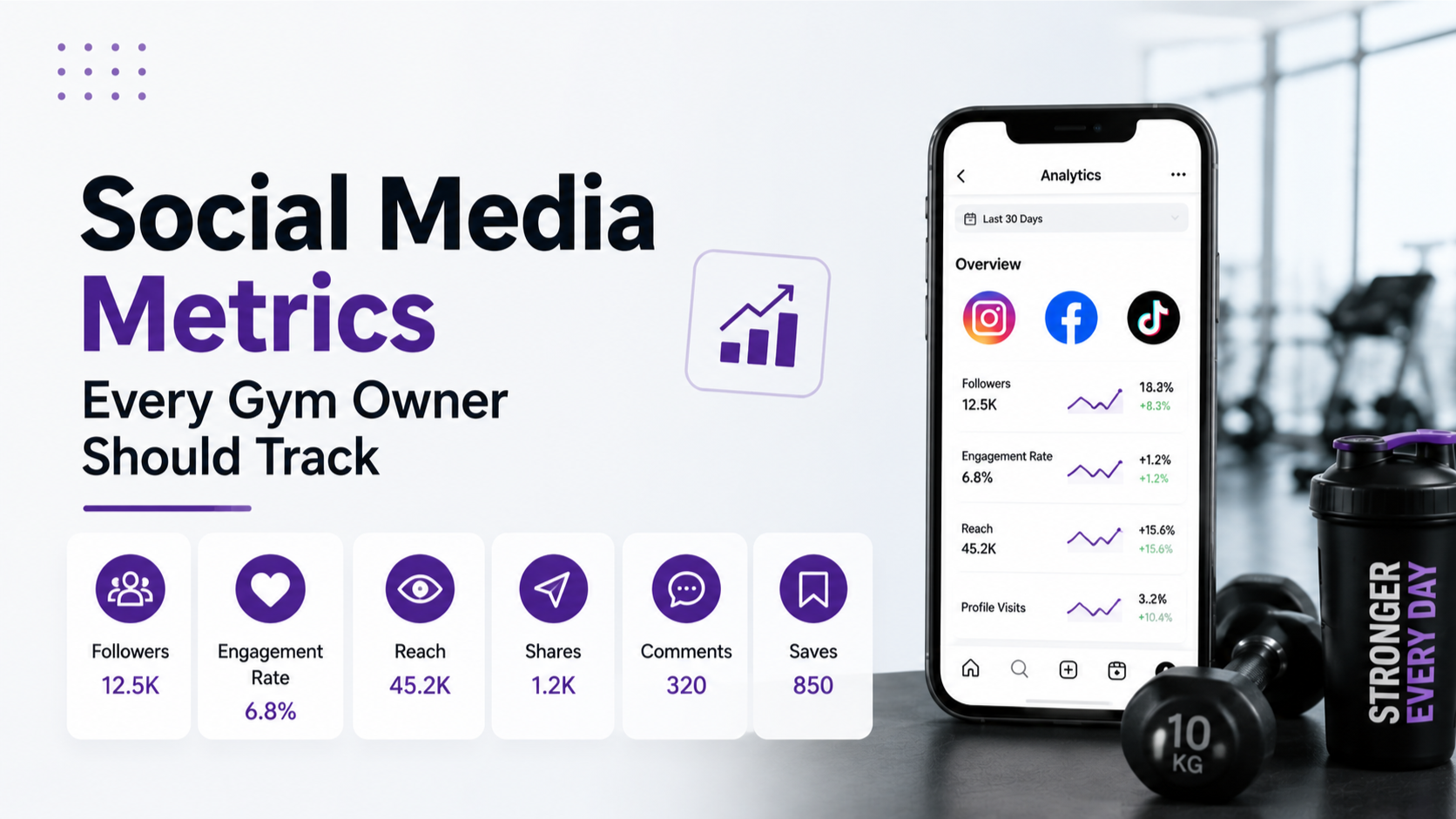
Creating great content is only half the job. To improve your social media marketing for gyms, you must regularly analyze performance data and make informed decisions based on real results. Without tracking metrics, it becomes difficult to know whether your strategy is helping your business grow.
One of the most important metrics is engagement rate, which measures likes, comments, shares, saves, and other interactions. High engagement usually indicates that your content resonates with your audience.
Reach and impressions help you understand how many people are seeing your posts. If these numbers are consistently increasing, your content strategy is expanding your brand visibility.
Follower growth is another useful indicator, but it should not be your only focus. A smaller, highly engaged local audience is far more valuable than thousands of inactive followers who are unlikely to join your gym.
Website clicks and profile visits reveal how effectively your content encourages users to learn more about your services. If many people visit your website but very few submit enquiries, your landing page or membership offer may need improvement.
For paid campaigns, monitor metrics such as cost per lead, click-through rate (CTR), conversion rate, and return on advertising spend (ROAS). These insights help optimize your budget and improve campaign performance over time.
Metric | Why It Matters |
Engagement Rate | Measures audience interaction |
Reach | Indicates brand visibility |
Impressions | Shows total content exposure |
Follower Growth | Tracks community expansion |
Website Clicks | Measures interest in your services |
Lead Generation | Shows enquiry performance |
Conversion Rate | Indicates how many leads become members |
ROAS | Evaluates advertising profitability |
Review your analytics every month, identify your highest-performing content, and refine your strategy accordingly. Continuous optimization is the key to sustainable social media success.
Conclusion
Social media marketing for gyms has become an essential part of growing a successful fitness business in today’s digital world. From creating engaging content and running targeted advertising campaigns to showcasing authentic member success stories and analyzing performance metrics, every aspect of your social media strategy contributes to attracting new members and retaining existing ones.
The most successful gyms understand that social media is not just a promotional platform—it is a place to educate, inspire, motivate, and build lasting relationships with their community. By consistently sharing valuable content, engaging with followers, and leveraging data-driven marketing strategies, your gym can establish a strong online presence that generates trust and long-term business growth.
Whether you’re looking for gym marketing ideas on Instagram, Facebook Ads for gyms, gym lead generation strategies, or complete fitness center marketing strategies, success comes from combining creativity with consistency. Focus on providing value first, understanding your audience, and continuously improving your approach based on performance insights.
If you’re ready to take your fitness business to the next level, start implementing these proven social media marketing for gyms strategies today. With the right plan, consistent execution, and ongoing optimization, your gym can attract more qualified leads, increase memberships, strengthen member loyalty, and build a thriving fitness community that continues to grow year after year.
FAQ
Social media marketing helps gyms increase brand awareness, attract local members, build trust, engage with their fitness community, and generate qualified membership leads through platforms like Instagram and Facebook.
The most effective content includes workout tutorials, member transformation stories, trainer tips, nutrition advice, fitness challenges, behind-the-scenes videos, and live workout sessions. This content educates, motivates, and increases audience engagement
Facebook and Instagram Ads allow gyms to target local audiences based on location, age, interests, and fitness goals. Well-designed campaigns with compelling offers and optimized landing pages generate high-quality membership enquiries and improve return on investment
Gym owners should monitor engagement rate, reach, impressions, follower growth, website clicks, lead generation, conversion rate, and return on ad spend (ROAS). Tracking these metrics helps optimize campaigns and improve membership growth.